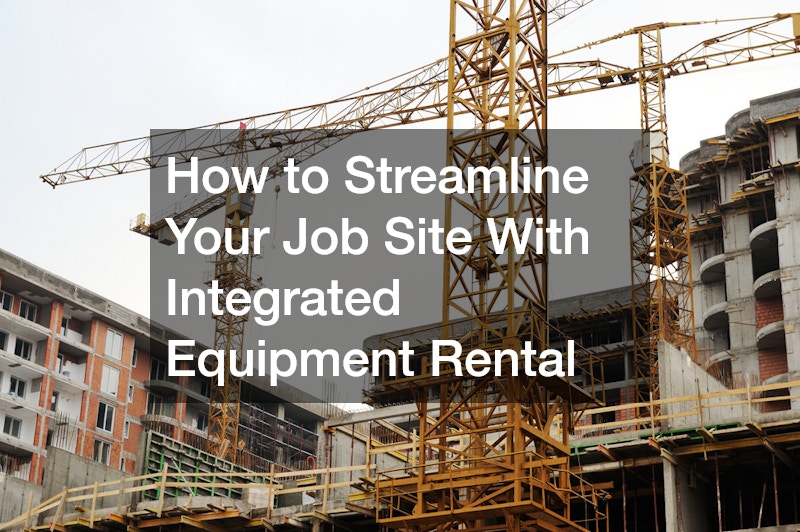
The complexity of modern industrial projects demands a level of coordination that goes far beyond simple project management. Whether you are overseeing a high-rise construction site, a municipal infrastructure overhaul, or a large-scale manufacturing installation, the logistical hurdles can be overwhelming. The traditional approach of purchasing every piece of machinery needed for a job often leads to stagnant capital and unnecessary maintenance costs. By shifting toward an integrated rental model, businesses can maintain the flexibility required to adapt to changing project scopes while keeping their balance sheets lean and efficient.
Centralizing Your Site Logistics Strategy
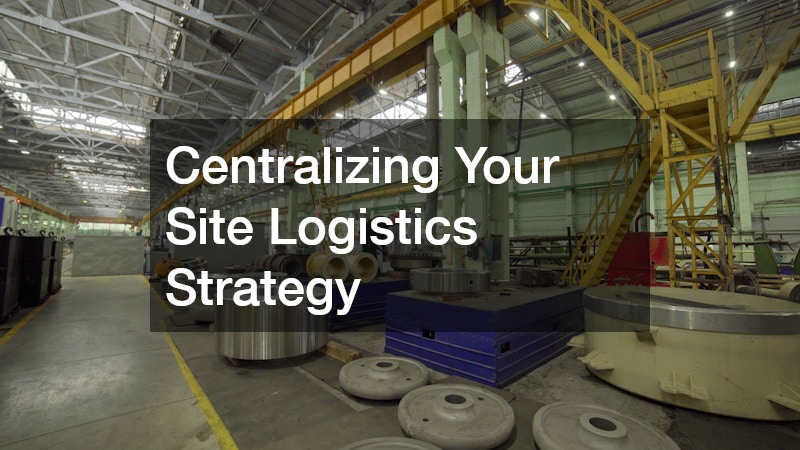
One of the most significant advantages of a unified rental strategy is the ability to centralize your site logistics. When a project manager has to deal with a dozen different vendors for various needs, communication breakdowns are almost inevitable. By consolidating these requirements under a single provider or a coordinated rental strategy, you can ensure that deliveries are synchronized and invoicing is simplified. This streamlined approach allows the onsite team to focus on the actual work rather than spending hours on the phone chasing down late equipment deliveries or resolving billing discrepancies.
As projects move from the planning phase to active execution, the financial implications of equipment acquisition become a primary concern. Many companies find that the high cost of purchasing, insuring, and storing heavy machinery is a drain on their resources, especially for specialized tools that are only needed for specific phases of a project. Turning to local heavy equipment rentals allows a business to access the latest technology without the long-term debt associated with ownership. This model also ensures that the machinery is well-maintained and compliant with the latest safety standards, as the rental provider assumes the responsibility for upkeep and repairs.
Enhancing Vertical Accessibility and Safety
Vertical accessibility is a cornerstone of any large-scale building project, yet it remains one of the most hazardous aspects of the job. Relying on ladders or fixed scaffolding is often insufficient for the dynamic needs of a modern construction site, where workers must move between different heights and angles throughout the day. Integrating versatile aerial platforms into your workflow is essential for both speed and safety. Specifically, utilizing boom lift rentals provides the necessary reach and stability for electricians, painters, and structural engineers to perform their tasks with precision. These units allow for a greater range of motion and can navigate around obstacles that would make traditional access methods impossible.
Safety protocols for aerial work are significantly improved when the equipment is modern and tailored to the specific environment. A professional rental service provides the latest models equipped with advanced sensors and safety shut-off features that might be too expensive for a small company to purchase outright. Training operators on these specific machines ensures that work at height is conducted with the highest degree of caution. By incorporating these specialized lifts into the initial site plan, project managers can eliminate the delays often caused by inadequate access solutions and improve the overall safety record of the project.
Optimizing On-Site Waste Management Systems
Effective site management also requires a robust strategy for waste disposal that keeps the workspace clear and organized. A cluttered site is not only a safety hazard but also a significant drain on productivity as workers have to navigate around debris and discarded materials. Establishing clear collection points from the very beginning of the project prevents the buildup of dangerous clutter. Utilizing professional dumpster rentals ensures that waste is removed on a predictable schedule, allowing for continuous workflow. This systematic approach to sanitation reflects a level of professionalism that clients and inspectors expect from high-quality operations.
The scale of the waste management system must be carefully calibrated to the volume of debris generated by the specific project type. For instance, a demolition phase will require a much different disposal strategy than the finishing phase of an interior build-out. Modern disposal services often include sorting and recycling options that help businesses meet environmental sustainability goals. By integrating waste removal into the broader logistics plan, a company can avoid the fines and delays associated with improper material handling. A clean site is a productive site, and a well-managed disposal system is the foundation of that cleanliness.
Prioritizing Personnel Welfare and Sanitation
The welfare of the personnel on a job site is a direct driver of project success and employee retention. Construction and industrial sites are often located in areas without immediate access to permanent facilities, making it necessary to bring the amenities to the workers. Providing clean, well-maintained sanitation facilities is a fundamental requirement that should never be treated as an afterthought. Reliable porta-potty rentals are a necessity for maintaining a hygienic environment and ensuring that the workforce feels respected and cared for. When these facilities are placed strategically and serviced regularly, it minimizes the time workers spend away from their primary tasks.
Calculating the necessary number of units based on the size of the crew and the duration of the shifts is vital for maintaining site standards. Overcrowded or poorly maintained facilities lead to low morale and can even cause health issues that result in absenteeism. Advanced rental providers offer various tiers of units, including those with hand-washing stations and climate control, which can be particularly beneficial during extreme weather conditions. Prioritizing these basic human needs is a hallmark of a well-run business that understands the value of its labor force.
Advancing Technical Capabilities in Specialized Testing
Some projects require highly specialized environments that go beyond the standard needs of a construction site. This is particularly true in the aerospace, automotive, and electronics industries, where components must be tested under specific atmospheric conditions. Acquiring the technology to simulate extreme temperatures or humidity levels is a massive investment that may only be necessary for a short duration. In these instances, opting for an environmental chamber rental allows a firm to conduct rigorous testing without the permanent footprint of a dedicated lab. This flexibility enables companies to take on specialized contracts that they might otherwise have to decline due to a lack of infrastructure.
Integrating these high-tech testing units into a project timeline requires careful planning and coordination with the technology provider. The rental agreement usually includes calibration services and technical support to ensure the accuracy of the data collected. This level of support is invaluable for maintaining the integrity of the testing process and meeting industry-specific compliance standards. By utilizing these rentable high-tech solutions, businesses can remain at the forefront of innovation while maintaining a flexible and responsive operational model.
Mastering Heavy Lifting and Structural Placement
When the project reaches the phase of structural assembly, the demand for massive lifting capacity becomes paramount. Moving heavy steel beams, pre-cast concrete sections, or large industrial HVAC units requires machinery that can handle immense weight with extreme precision. The logistical planning for such lifts must be flawless to prevent accidents and ensure the structural integrity of the build. Utilizing a heavy-duty crane is often the only way to achieve these milestones safely and efficiently. These machines require certified operators and rigorous site preparation to ensure a stable foundation for the lift.
Choosing between a mobile unit and a fixed tower depends entirely on the site constraints and the duration of the heavy lifting phase. A rental model allows the project manager to swap out different types of lifting equipment as the needs of the site evolve. This prevents the project from being hampered by a machine that is either too small for the load or too large for the available space. Coordination with the rental provider ensures that the lifting plan is reviewed by engineers and that all permits are in place before the machinery even arrives on site.
Secured On-Site Storage Solutions
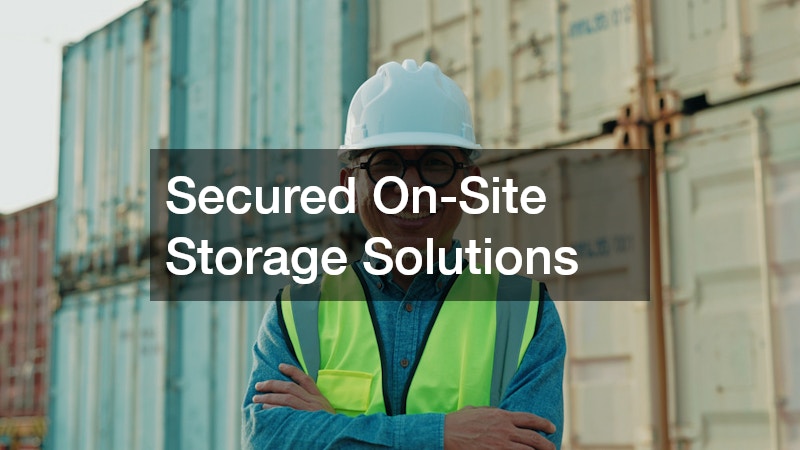
Site security and inventory management are ongoing challenges, especially when working with high-value materials and specialized tools. Losing equipment to theft or weather damage can cause catastrophic delays and budget overruns. Having a secure, lockable space directly on the job site is the most effective way to mitigate these risks. A heavy-duty shipping container serves as a versatile and virtually impenetrable vault for anything from hand tools to copper wiring. These units can be dropped off exactly where they are needed and moved as the project footprint shifts, providing constant security.
The interior of these storage units can be customized with shelving and lighting to act as a mini-warehouse or a field office. This organization allows the crew to find exactly what they need without wasting time rummaging through disorganized piles of supplies. When the project is finished, the rental company simply picks up the unit, eliminating the need for the contractor to transport and store a bulky piece of equipment between jobs. This “on-demand” storage model is an essential component of a modern, lean construction strategy.
Flexible Transportation for Urban Logistics
Transportation logistics within an urban environment or a sprawling industrial park require vehicles that are nimble yet capable of carrying significant weight. While heavy trucks are needed for the big deliveries, the day-to-day movement of smaller parts, specialized technicians, and sensitive equipment requires a different approach. Utilizing cargo vans for rent provides the perfect solution for these middle-tier transport needs. These vehicles are easy to park in crowded city streets and protect from the elements for delicate cargo that shouldn’t be exposed in an open truck bed.
A flexible fleet allows a company to scale its transportation capacity up or down based on the current workload. During the peak of a project, you might need five vans to coordinate different teams, while during the wind-down phase, you may only need one. This elasticity prevents the business from paying for a fleet of vehicles that sit idle during slow periods. Furthermore, rental vans are typically newer models that offer better fuel efficiency and reliability than a neglected company-owned fleet. This professional image also reflects well on the company when they are visiting clients or making deliveries in the community.
Leveraging Specialized Tools for Groundwork
The groundwork and site preparation phases of any project are where the most rugged and powerful machinery is required. Excavating, grading, and clearing a site require high-torque machines that can handle difficult terrain and heavy loads. These tools are often subjected to the most intense wear and tear, making maintenance a constant concern for owners. By relying on specialized power equipment from a reputable rental house, you ensure that the machines arriving on site are in peak operating condition. If a machine does break down, the rental provider is responsible for immediate repair or replacement, keeping the project on schedule.
Operators who are trained on the latest models can often work faster and more accurately, reducing the total time spent on groundwork. Modern machines also feature advanced telematics that allow project managers to track fuel usage and run time, providing better data for future bidding and cost estimation. Integrating these powerful tools into the workflow from the start allows for a more aggressive and confident project timeline. When you don’t have to worry about the reliability of your primary digging and grading tools, you can focus on the higher-level engineering challenges of the site.
Managing Surplus Inventory and Seasonal Overflows
As a project nears completion, there is often a surplus of materials and equipment that are no longer needed on the primary site but are too valuable to dispose of. Keeping these items on the active job site can lead to clutter and confusion during the critical finishing stages. Finding a temporary home for these assets is a logistical necessity that requires a secure and accessible location. Utilizing a dedicated storage rental provides a clean and organized environment where surplus inventory can be staged for the next project or returned to the main warehouse.
This off-site storage strategy is particularly useful for seasonal overflows or when transitioning between two major contracts. It allows the primary job site to remain focused on the final punch-list items without the distraction of unneeded equipment. Many storage facilities offer climate-controlled options for sensitive materials like electronics, finishes, or specialized fabrics that could be damaged by fluctuating temperatures. Having a flexible storage partner allows a business to manage its physical assets with the same precision that it manages its financial ones.
Ultimately, streamlining a job site through integrated equipment rental is about more than just convenience; it is about strategic resource management. It empowers project managers to build a custom infrastructure for every unique job, ensuring that the right tools are always in the right place at the right time. By partnering with professional rental providers, businesses can mitigate risk, improve safety, and enhance overall profitability. This modern approach to industrial logistics is the future of the construction and site management industries, providing a scalable and efficient path to project success.