Key Takeaways:
-
Prioritize Daily Stand-Up Meetings and Digital Communication: Short morning meetings and centralized software keep all trades aligned on daily goals, spatial constraints, and safety risks to prevent costly rework.
-
Design a Strategic Physical Site Layout: Staging high-use materials near active work areas and maintaining clear, dedicated haul roads dramatically cuts down on wasted foot traffic and site congestion.
-
Use Short-Term Look-Ahead Scheduling: Managing work through two- to six-week windows prevents trade overlap, ensures smooth resource allocation, and maintains a steady, predictable project tempo.
-
Implement Just-in-Time Material Controls: Scheduling strict delivery time slots, inspecting incoming shipments immediately, and tagging materials on arrival avoids material damage, theft, and site clutter.
-
Treat Safety and Cleanliness as Drivers of Speed: Enforcing end-of-shift cleanup routines and continuous safety checks reduces job site hazards and prevents costly operational shutdowns.
-
Adopt Cloud Tools and Real-Time Technology: Utilizing field-management software, digital punch lists, and asset tracking speeds up problem-solving between field crews and design teams.
Managing a construction site is like orchestrating a massive, multi-million-dollar symphony where half the musicians are running on different schedules, the sheet music changes weekly, and the weather might decide to pour rain all over the stage. Every project manager, general contractor, and site supervisor knows the feeling of constantly fighting fires. Material delays, labor shortages, safety missteps, and miscommunication can quickly drain your profit margins and push your completion date further down the calendar.
Efficiency isn’t about rushing your workers or cutting corners on safety. Real efficiency means creating a clear, repeatable system where work flows logically, downtime is minimized, and every person on-site knows exactly what they should be doing, when they should be doing it, and what tools they need to get the job done right the first time.
If you want to transform a chaotic build into a streamlined operation, here is a complete blueprint for running a construction site at peak efficiency.
1. Standardize Your Daily Planning and Communication Routine
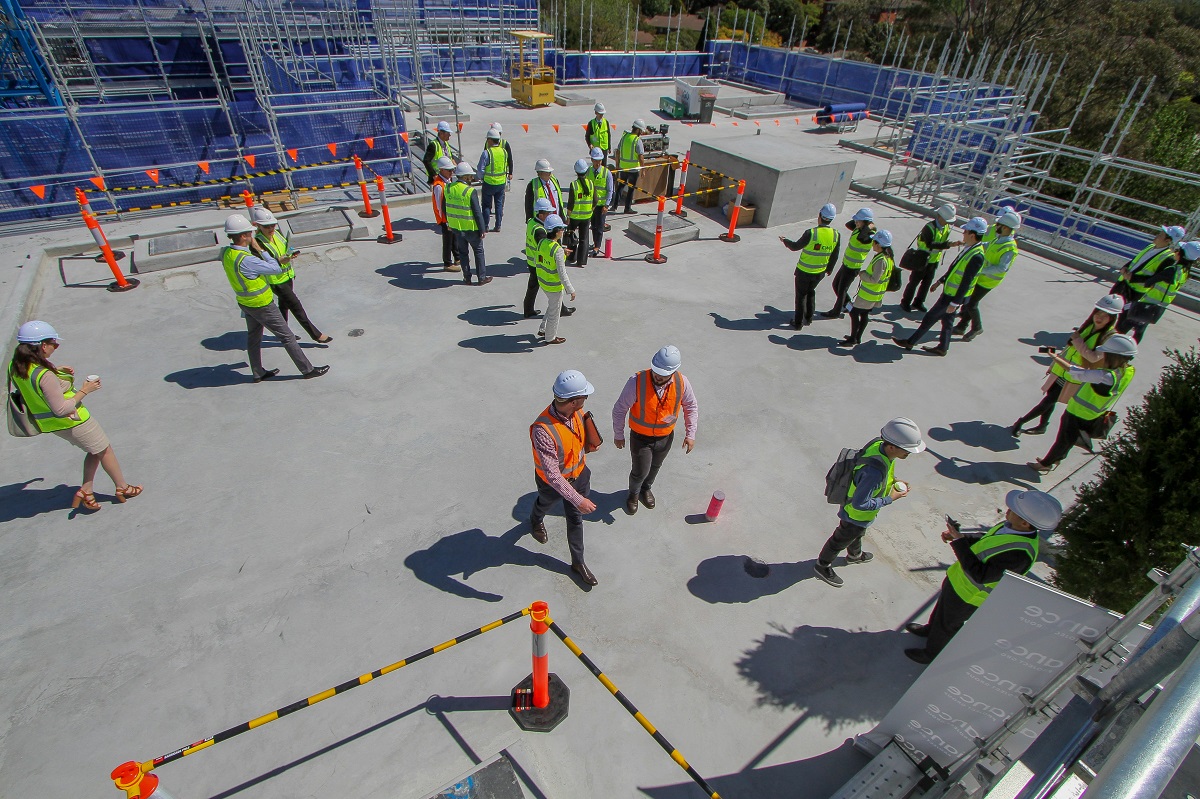
Communication breakdowns are the single biggest cause of rework and schedule delays on any job site. When trades don’t know what the crew next to them is doing, conflict and wasted time are guaranteed. Efficiency begins long before the heavy machinery cranks up in the morning; it starts with clear, consistent communication protocols.
Start every workday with a mandatory 10-to-15-minute stand-up meeting, often called a toolbox talk or daily huddle. Keep these meetings short, focused, and standing up so nobody gets comfortable enough to drift off. Use this time to cover three essential things:
-
The day’s target goals: Clearly state what needs to be accomplished by the end of the shift for each major crew or trade.
-
Safety and hazard awareness: Highlight specific risks related to the day’s tasks, such as overhead crane operations or concrete pours.
-
Site spatial constraints: Coordinate which teams are working in which zones to avoid crowding and overlapping work areas.
Beyond the morning huddle, adopt a centralized construction management software platform. Moving away from scattered text messages, paper printouts, and lost emails ensures that everyone—from your superintendent to the electrical sub—is looking at the same updated blueprints, change orders, and schedules.
2. Optimize Workflow and Spatial Site Layout
A poorly organized site layout adds thousands of unnecessary steps to your workers’ days. If a carpenter has to walk 300 yards across a muddy site every time they need a specific fastener or tool, you are losing dozens of billable hours every single week purely to foot traffic.
Before breaking ground or beginning a new phase of construction, map out your site logistics with precision. Place your primary staging areas for bulk materials like lumber, steel, and rebar near the entrance points to minimize truck maneuvering time inside the active zone. Ensure that high-use materials are stored within easy reach of the actual work areas, and keep access paths clear of clutter, trash, and temporary electrical cords.
Site workflow efficiency relies heavily on spatial logic:
-
Position material laydown zones close to lifting equipment like cranes or telehandlers to cut down on double-handling.
-
Group site offices, break areas, and temporary restrooms away from heavy equipment paths while keeping them easily accessible.
-
Set up designated waste and recycling collection points right next to major active work zones to encourage immediate cleanup.
-
Establish clear, one-way haul roads for trucks entering and exiting the site to avoid traffic jams.
3. Master Schedule Sequencing and Trade Coordination
Nothing kills momentum faster than having 15 plumbers show up to work on a floor where the framers haven’t even finished putting up the studs. Stacked trades lead to frustration, lower quality work, and elevated safety risks.
Efficient scheduling requires moving away from static, months-long Gantt charts that become outdated the moment it rains. Instead, practice pull planning and look-ahead scheduling. Break down your master schedule into two-week and six-week look-ahead windows. Review these short-term schedules weekly with all trade contractors to identify potential bottlenecks before they happen.
Focus on creating a steady, predictable pace of work—often referred to as rhythm or takt time in lean construction. Ensure that each trade finishes their complete scope in a specific zone before the next trade enters. If a sub gets delayed, adjust the look-ahead schedule immediately rather than forcing the next crew into an unprepared space.
When it comes to heavy machinery, smooth resource allocation is vital. Properly coordinating equipment for your job site ensures that costly excavators, lifts, and generators aren’t sitting idle racking up rental fees while another zone desperately needs them. Planning equipment deliveries and shared usage schedules weeks in advance keeps your budget intact and prevents site gridlock.
4. Streamline Supply Chain and Material Management
Running out of essential materials halts work instantly, but bringing too much material on-site too early creates congestion, increases the risk of damage from weather, and opens the door to site theft. Master efficiency requires a carefully balanced just-in-time delivery strategy.
Establish direct relationships with reliable suppliers and set clear delivery windows for major material shipments. Instruct vendors that deliveries must arrive within specific 30-minute time slots to avoid multiple trucks showing up at the gate simultaneously.
Implement a strict material intake process on-site:
-
Designate a dedicated receiving manager: Appoint one person who is responsible for inspecting, sign-off, and logging all incoming shipments.
-
Inspect immediately: Check deliveries against purchase orders for missing items or damage right as they offload, rather than discovering issues weeks later when you go to install them.
-
Tag and log everything: Use digital inventory tracking or color-coded staging labels so crews can immediately identify which materials belong to which floor or zone.
-
Protect sensitive stock: Ensure moisture-sensitive materials like drywall, flooring, and millwork are elevated off the ground and enclosed immediately upon arrival.
5. Implement Proactive Safety and Cleanliness Protocols
Many managers view safety enforcement as a hurdle to speed, but in reality, safety is the foundation of efficiency. A single severe accident on your site can freeze operations for days, trigger costly investigations, destroy worker morale, and delay the entire project timeline.
A safe site is almost always an efficient site. When workers feel secure in their environment and don’t have to dodge hazards, they naturally move faster and work with greater focus. Enforce daily housekeeping sweeps where every trade spends the last 15 to 20 minutes of their shift cleaning their immediate work areas and stowing tools. Clean workspaces dramatically lower slip, trip, and fall hazards, which remain the leading cause of injuries in construction.
Make safety inspections continuous rather than scheduled events. Walk the site with a critical eye daily, looking for ungrounded electrical tools, improper scaffolding setups, missing guardrails, or lack of proper personal protective equipment. Fix small safety infractions instantly on the spot before they turn into habit or cause an incident.
6. Leverage Modern Technology and Real-Time Data
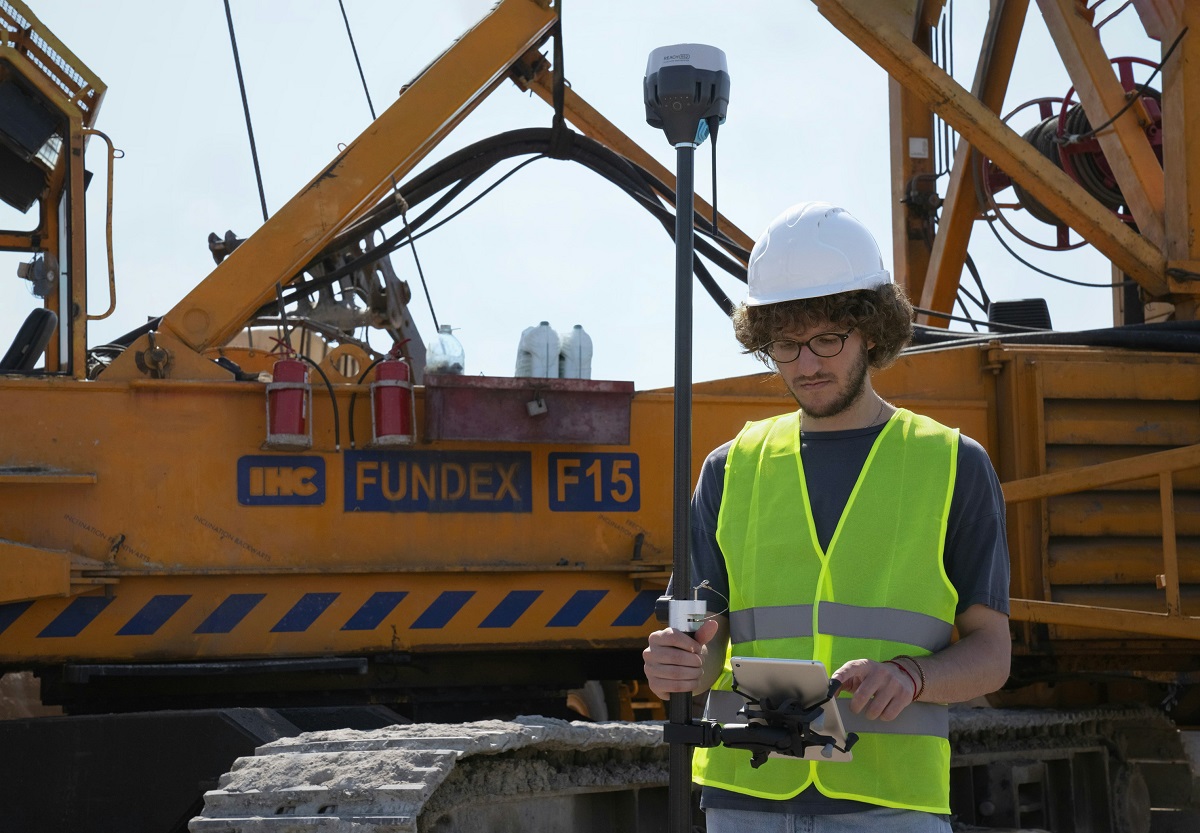
The construction industry has historically been slow to adopt digital tools, but contractors who embrace modern field technology gain a massive competitive advantage in speed and accuracy. Modern software eliminates the lag time between identifying a problem on-site and getting an answer from the design team.
Equip your field supervisors and project engineers with ruggedized tablets loaded with cloud-based building information modeling software and field management applications. When a trade hits an unexpected structural conflict in the field, they can take a photo, tag it directly on the 3D model or digital plan, and issue an RFI to the architect within minutes rather than hours.
Key technologies that drive site efficiency include:
-
Drones for site survey: Use drones to perform quick aerial site surveys, measure earthwork cut-and-fill volumes, and track overall progress without manual walk-throughs.
-
Digital punch lists: Record defects and incomplete tasks digitally during walks so subcontractors receive immediate, precise tasks complete with photos and locations.
-
Asset tracking tags: Attach GPS or Bluetooth trackers to expensive tools and equipment to prevent loss, locate items instantly, and track maintenance needs.
-
Automated time tracking: Use geofenced mobile time-tracking apps for workers to streamline payroll and gain accurate labor-cost tracking per task.
7. Empower Site Leadership and Build a Culture of Accountability
Even the best software and site plans are useless if your site managers lack authority or your crew feels disconnected from the project’s goals. True efficiency relies on human motivation, clear delegation, and accountability.
Empower your superintendents and foremen to make real decisions on the ground without needing approval from senior leadership for every minor adjustment. When field leaders have the authority to resolve trade disputes, shift short-term resources, or address material minor shortages on the spot, site momentum stays strong.
At the same time, foster a culture of transparent accountability across all subcontractor teams. Hold regular progress reviews where actual work completed is compared directly against the weekly look-ahead plan. Recognize and reward trades that consistently hit their deadlines, maintain clean work zones, and follow safety standards. When subcontractors see that a job site is run with professional discipline, they bring their best crews and match the standard set by site management.
Closing Thoughts
Managing a construction site for maximum efficiency isn’t about working longer hours or pushing your crews to their physical limit; it is about eliminating friction across every phase of the project. By standardizing daily communication, organizing your physical space logically, aligning trade schedules, managing materials tightly, and leveraging modern technology, you turn chaotic job sites into well-oiled, profitable operations. Implement these field-tested strategies on your next build to keep your timelines tight, your workers safe, and your bottom line strong.